
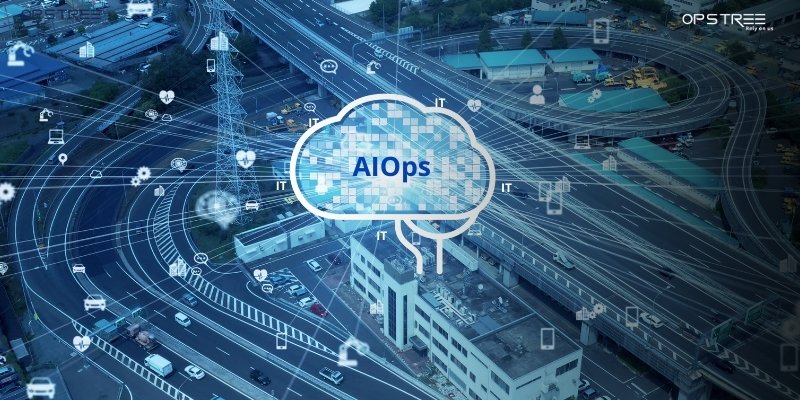
The Role of AIOps in Managing IT Operations

Explore the transformative power of AIOps in this blog, delving into the crucial role it plays in efficiently managing IT operations.

In the era of digital transformation, the demand for efficient and agile IT operations has never been greater. As organizations navigate complex and dynamic IT landscapes, traditional approaches to operations management often fall short. Enter AIOps, or Artificial Intelligence for IT Operations, a revolutionary approach that leverages the power of artificial intelligence and machine learning to redefine how IT operations are managed. This blog post explores the crucial role of Artificial Intelligence in Operations Management.

What is AIOps?

AIOps, or Artificial Intelligence for IT Operations, refers to the use of artificial intelligence (AI) and machine learning (ML) technologies to enhance and automate IT operations. The goal of AIOps is to improve the efficiency, reliability and agility of IT systems by leveraging advanced analytics, automation and intelligent insights.

Continue reading “The Role of AIOps in Managing IT Operations”

Top 10 Databases for Web Applications To Use In 2025

Explore here, the top 10 databases for web application, considering factors such as scalability, ease of use, performance and community support.

In the dynamic world of web development, selecting the right database is a critical decision that can significantly impact the performance, scalability and overall success of your web application. With a plethora of options available for web application database, each catering to different needs and preferences, the decision-making process can be overwhelming. Continue reading “Top 10 Databases for Web Applications To Use In 2025”

The Fallacies of Platform Engineering

Delve into the intricacies of implementing platform engineering strategies and the misconceptions that surround it.

In today’s rapidly evolving tech landscape, the significance of platform engineering cannot be overstated. It serves as the bedrock upon which countless digital ecosystems are built, from mobile applications to cloud-based services and everything in between. Yet, for all its importance, the world of platform engineering is riddled with misconceptions & misunderstandings that can lead to costly mistakes, project delays and suboptimal outcomes. To navigate this complex terrain successfully, it is crucial to identify and address these fallacies head-on.

By exposing these fallacies and offering insights into platform engineering best practices, we aim to empower engineers, developers and decision-makers to make more informed choices and in turn, create more robust and effective platforms.

Throughout this exploration, we’ll delve into the intricacies of implementing platform engineering strategies, examining its core principles and the misconceptions that surround it. We’ll also discuss real-world examples and case studies to illustrate the consequences of falling prey to these fallacies. 

Continue reading “The Fallacies of Platform Engineering”

The 7 Core Elements of an Internal Developer Platform

Delve into the pivotal aspects of IDP and DevOps integration. Also, explore the fundamental components that constitute the bedrock of an Internal Developer Platform.

In the ever-accelerating world of software development, the need for agile and efficient workflows has never been more crucial. As organizations strive to stay ahead in this digital era, they are increasingly turning to Internal Developer Platforms (IDPs) as a key strategy to supercharge their development processes. 

Scaling with Internal Developer Platforms contributes to faster delivery, improved ROI, reduced time to market and improved business growth. An IDP is a comprehensive ecosystem of tools, services and best practices meticulously designed to empower developers, streamline workflows and expedite the delivery of software products.

In this blog, we embark on an exploration of the fundamental components that constitute the bedrock of an Internal Developer Platform – the seven core elements that drive innovation, collaboration and efficiency in the realm of software development. 

From self-service infrastructure to robust security measures, these elements are the building blocks of modern software development excellence. Join us on this journey as we delve into the pivotal aspects of IDP and DevOps integration. Discover how IDP and Microservices development is revolutionizing how software is created, delivered and maintained in the digital age.

Continue reading “The 7 Core Elements of an Internal Developer Platform”

The Role of an Internal DevSecOps Platform in the Digital Age

Explore the compelling reasons why businesses across industries are embracing Internal Developer Platform Solutions, here, in this blog!

Subscribe to continue reading

Subscribe to get access to the rest of this post and other subscriber-only content.