Integration of Prometheus with Cortex

As we promised in our previous blog Prometheus as Scale – Part 1 that in our next blog we will be writing about the implementation part of Cortex with Prometheus, so here we are with our promise. But before going to the implementation part, we would suggest you guys go through our first blog to know the need for it.

Previously we talked that Prometheus is becoming a go-to option for people who want to implement event-based monitoring and alerting. The implementation and management of Prometheus are quite easy. But when we have a large infrastructure to monitor or the infrastructure has started to grow you require to scale monitoring solution as well.

A few days back we were also in a similar kind of situation where one of our client’s infrastructure was growing as per the need and they need a resilient, scalable, and reliable monitoring system. Since they were already using the Prometheus, so we explored our option and came across an interesting project called “Cortex“.

Continue reading “Integration of Prometheus with Cortex”

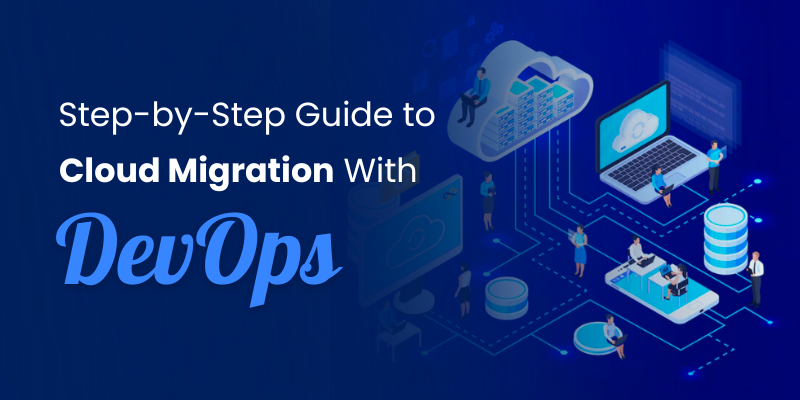
Step-by-Step Guide to Cloud Migration With DevOps

Cloud migration and application modernization have become essential for businesses that aim for greater agility, scalability, and cost savings.These strategies represent a significant change in the way organizations develop, deploy, and manage their applications.However, simply moving applications to the cloud or rewriting them without adjusting underlying processes can waste opportunities and increase complexity. Continue reading “Step-by-Step Guide to Cloud Migration With DevOps”

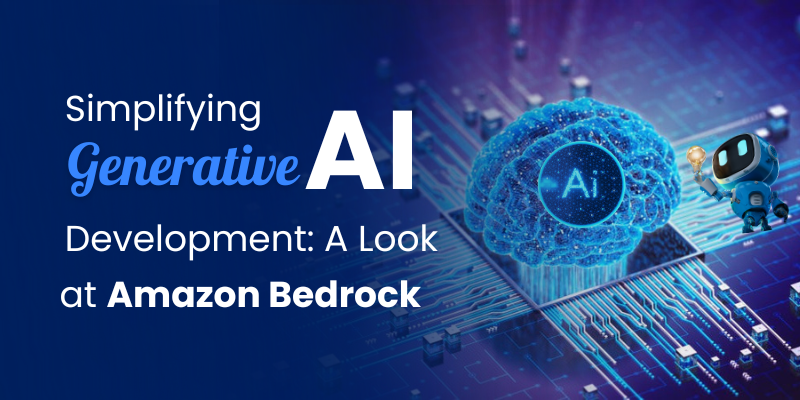
Simplify Generative AI Development: A Look at Amazon Bedrock

While “Generative AI” may have been a term familiar to AI enthusiasts for some time, the widespread adoption of models like ChatGPT has marked a significant turning point.

The overwhelmingly positive response to these AI models, as they break into the mainstream, is a game changer for modern businesses.

As per Bloomberg, the demand for Generative AI will generate software revenue of $280 billion by 2032.

While there are plenty of solutions on the Internet through which businesses can bring Gen AI capabilities to their existing ops, finding the right and reliable one is crucial.

Amazon Bedrock simplifies the creation and scaling of generative AI applications. It comes with pre-trained models and direct integration with different AWS services. This makes it possible to leverage AI effectively.

So, Amazon Bedrock comes out as the perfect ally for businesses looking to add Gen AI capabilities to their operations.

In this blog post let us learn the applications of Gen AI in business ops and Amazon Bedrock helps you leverage Generative AI.

Continue reading “Simplify Generative AI Development: A Look at Amazon Bedrock”

Harnessing the Power of Loki’s JSON Log Parsing in Grafana

To effectively use Loki’s JSON log parsing in Grafana, you need to set up your log collection agent (Promtail or Grafana Alloy). This setup will involve sending structured JSON logs to Loki. Next, you can query and extract the required fields using LogQL in Grafana.

Initially, these logs were simple plain text, often cumbersome and difficult to decode. However, as applications have grown in complexity, a more efficient way to interpret these logs has become necessary.

This is where structured logs come into play. Unlike chaotic plain text logs, structured logs organize information systematically, often using JSON format.

Now, let’s  understand logs better, especially how to decode JSON logs. We’ll utilize a tool called the JSON Loki pipeline stage to simplify the process.

{
"@timestamp": "2024-02-27T14:13:13.714+00:00",
"@version": "1",
"message": "{\"access-time\":\"2024-02-25T14:13:13.697+0000\",\"account-code\":\"viewsynergy.abc.com\",\"remote-address\":\"49.207.192.81\",\"host\":\"gt-cougar-547c68c464-vz2qp\",\"guid\":\"f53a7273-3e58-4d38-bc7a-0d95edbbfbce\",\"thread\":\"http-nio-8080-exec-12\",\"user\":-2,\"is-static-resource\":false,\"url\":\"/v2/payroll-config/income-tax-agent/calculate/7/100\",\"session-id\":\"cce324dfae80d3cfdcb63766b004dba4\"}",
"logger_name": "com.abc",
"thread_name": "pool-1-thread-1",
"level": "INFO",
"level_value": 20000,
"consumer-id": "0"
}

Continue reading “Harnessing the Power of Loki’s JSON Log Parsing in Grafana”

How to Build a Developer Metrics Dashboard?

In today’s modern fast world of software technology, success not only depends on writing code lines or launching new features. It depends on understanding how your team functions, finding areas for improvement, choosing the right tool for platform engineering and ultimately optimizing processes to deliver the best results possible. That’s where the use of a developer metric dashboard solution came into play.

A developer’s dashboard serves as a comprehensive central system for displaying the relevant KPIs and metrics for your engineering team. From code quality and deployment frequency to team velocity and bug resolution time, a well-designed developer metrics dashboard offers detailed insights into your teams’ performance, helping to drive continuous growth.

Continue reading “How to Build a Developer Metrics Dashboard?”