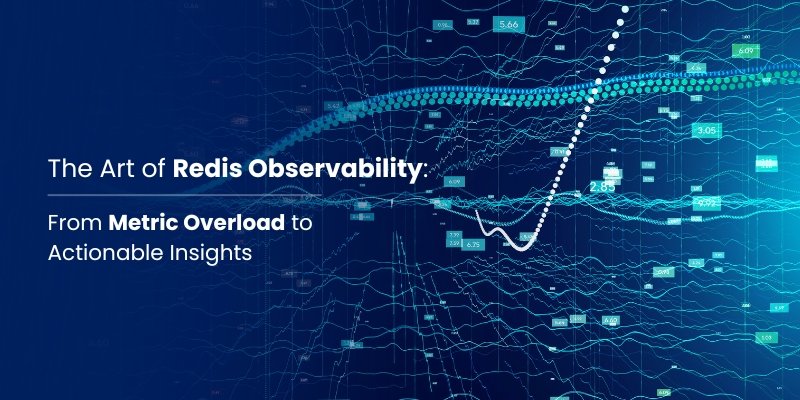
The Art of Redis Observability: From Metric Overload to Actionable Insights

“A dashboard without context is just a pretty picture. A dashboard with purpose is a lifesaving medical monitor.”

TL;DR

Modern observability systems are drowning in data while starving for insight. This research examines how Redis dashboards specifically demonstrate a critical industry-wide problem: the gap between metric collection and effective signal detection. Through comparative analysis, user studies, and incident retrospectives, I demonstrate how thoughtful metric curation dramatically improves system reliability and operator performance. Continue reading “The Art of Redis Observability: From Metric Overload to Actionable Insights”

DevOps Explained: What It Is, How It Works, and Why It Matters

Introduction to DevOps 

DevOps has made a significant impact by reducing the gap between software developers and IT operations. This approach promotes collaboration between the two groups throughout the software lifecycle, simplifying the development process, speeding up delivery and leading to better results. 

In this blog post, we will discuss in-depth, the importance of DevOps methodology in contemporary software development. We’ll examine the tools that facilitate this process, the benefits it provides, the potential challenges teams face, and how DevOps is reshaping team collaboration for faster, more efficient, and higher-quality results. 

Continue reading “DevOps Explained: What It Is, How It Works, and Why It Matters”

Patching in DevOps — Part 1: Understanding the Basics

In today’s fast-paced development environments, security, reliability, and system performance are critical. One of the fundamental practices that help maintain these standards is patching. While often overlooked, patching plays a vital role in the DevOps lifecycle. Continue reading “Patching in DevOps — Part 1: Understanding the Basics”

A Simple Guide to DVC: What It Is and How to Get Started

In the world of machine learning, managing data, code, and models efficiently is crucial for ensuring reproducibility and collaboration. If you’re working on machine learning or data science projects, you’ve likely struggled with managing large datasets, models, and experiment results.

While Git is great for tracking code, it wasn’t built to handle large files or complex workflows. This is where DVC (Data Version Control) shines – helping you track datasets, models, and experiments alongside your code, making your projects scalable and reproducible.

Continue reading “A Simple Guide to DVC: What It Is and How to Get Started”