Mastering the Cloud: 3 Best Practices for Cloud Cost Optimization

Cloud computing has revolutionized the way businesses operate by providing scalable and flexible resources to meet ever-changing demands. However, as organizations expand their cloud infrastructure, they often encounter unexpected costs that can quickly add up. This is where cloud cost optimization techniques come into play. By implementing strategies such as rightsizing, reservations, spot instances, and serverless computing, organizations can optimize their cloud usage and reduce costs significantly.

In this blog, we will explore some of the most effective cloud cost optimization solutions businesses can use to improve their cloud infrastructure’s efficiency and reduce costs.


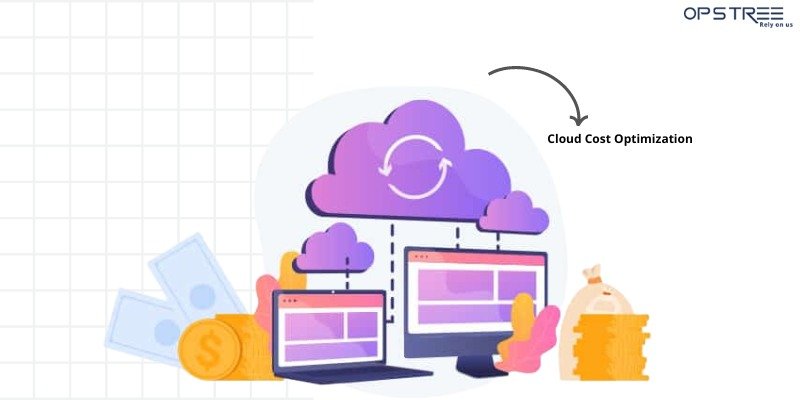
Cloud cost optimization is managing and minimizing the cost of using cloud computing resources, such as virtual machines, storage, networking, and services, without compromising performance or security. The process of Cost optimization in cloud aims to reduce unnecessary expenses by identifying and eliminating wasteful spending, and ensuring that resources are being used effectively and efficiently.

Cloud Cost Optimization Techniques

Continue reading “Mastering the Cloud: 3 Best Practices for Cloud Cost Optimization”

Self-Hosted GitLab Migration – Part 1

In the IT industry, the need for migration can raise several questions in your mind. Like what will be migrated and what measures should be taken to perform the particular migration. And the major concern is whether there are any chances of losing data. Losing even a tiny fraction of the data in transition can impact the performance of the application. So, in that scenario there are several measures that need to be kept in our mind while performing any sort of migration is taking a backup of the data, software configuration, and if any plugin is required for the software so that should also be checked. Apart from that migration should always take place when the least traffic comes on the application.

So, recently we got a requirement where we had to upgrade a self-managed Gitlab Community Edition(CE) from 11.11 to the latest version i.e., 15.4.  

While upgrading Gitlab to any other version you might face many problems related to incompatible versions. So, for a successful upgrade, we’ll discuss the GitLab requirements for the upgradation and will also share the analyses that we found while following through this blog post.

Continue reading “Self-Hosted GitLab Migration – Part 1”

Containerization vs Virtualization: Explore the Difference!

In today’s world, technology has become an integral part of our daily lives, and the way we work has been greatly revolutionized by the rise of cloud computing.
One of the critical aspects of cloud computing is the ability to run applications and services in a virtualized environment. However, with the emergence of new technologies and trends, there are two popular approaches that have emerged, containerization and virtualization, and it can be confusing to understand the difference between the two.

In this blog on Containerization vs Virtualization, we’ll explore what virtualization and containerization are, the key difference between virtualization and containerization, and the use cases they are best suited for. By the end of this article, you should have a better understanding of the two technologies and be able to make an informed decision on which one is right for your business needs.

Here, we’ll discuss,
What is Containerization?
What is Virtualization?
– Benefits of Containerization
– Benefits of Virtualization
– Use cases of Containerization
– Use cases of Virtualization
– How does Containerization work?
– How does Virtualization work?

Let’s dive into this discussion on Containerization vs Virtualization.

Continue reading “Containerization vs Virtualization: Explore the Difference!”

Checkov a Must Tool for Infra CI

As organizations move more of their operations to the cloud, the need for secure and compliant infrastructure becomes increasingly important. With the rapid pace of cloud adoption, it’s crucial to have a tool that can help you ensure that your cloud infrastructure is configured securely and in compliance with best practices. So in today’s blog, we will be talking about a solution for all these problems which is Checkov.

 What is Checkov?

Checkov a must tool for infra CI

Checkov is a tool that helps developers and operations teams ensure that their infrastructure is secure and compliant with best practices. It does this by automatically scanning infrastructure as code (IaC) and runtime environments for issues that could potentially lead to security vulnerabilities or compliance failures. Checkov works by scanning code written in various IaC languages (such as Terraform, CloudFormation, and ARM templates) and looking for patterns that could indicate security or compliance risks. It can also be integrated into a continuous integration/continuous deployment (CI/CD) pipeline, allowing it to scan code automatically as it is being developed and deployed.

Continue reading “Checkov a Must Tool for Infra CI”

Kubernetes CRI — Container Runtime Interface

Kubernetes is one of the most popular projects around container orchestration but it’s quite interesting that Kubernetes itself has no code to run or manage Linux/windows containers. So, what is running the containers within your Kubernetes pods?

Yes… Kubernetes doesn’t run your containers

It’s just an orchestration platform sitting above container runtimes. No code to run a container and to manage the container’s lifecycle on its own, instead, dockershim was implemented (in kubelet ) for talking to Docker as container runtime. I will talk about dockershim in the later section of the blog.

Also, docker has grown and matured over the last few years and has gained a stack of components like runc (open container initiative), containerd (CNCF project). OCI (est. in June,2015) splits docker into two parts:

1) to handle docker cli & processing requests and
2) to handle container running functions i.e runC.

High Level Overview — Before OCI standards
Continue reading “Kubernetes CRI — Container Runtime Interface”