

 Cross Cluster Replication (CCR) is a powerful feature in Elasticsearch that facilitates seamless data migration and disaster recovery by allowing real-time replication of data from a remote source cluster to a target cluster. In this guide, we’ll cover setting up CCR to migrate data from a Remote Cluster in Singapore to a Local Cluster in Mumbai. Continue reading “Setup Cross Cluster Replication for Data migration in Elasticsearch”
Tag: DevOps
Transforming Legacy Systems: Common Pitfalls and Best Practices
Legacy systems form the backbone of many established businesses, but their aging infrastructure and limited flexibility can hinder growth and innovation.
As companies strive for digital transformation, modernizing these systems becomes essential.
Yet, transforming legacy systems requires strategic planning to avoid the many pitfalls that can lead to costly delays and inefficiencies. Continue reading “Transforming Legacy Systems: Common Pitfalls and Best Practices”
How to Use Python for Log Analysis in DevOps

Logs provide a detailed record of events, errors, or actions happening within applications, servers, and systems. They help developers and operations teams monitor systems, diagnose problems, and optimize performance.
However, manually sifting through large volumes of log data is time-consuming and inefficient. This is where Python comes into play. Python’s simplicity, combined with its powerful libraries, makes it an excellent tool for automating and improving the log analysis process. Continue reading “How to Use Python for Log Analysis in DevOps”
Integration of Prometheus with Cortex

As we promised in our previous blog Prometheus as Scale – Part 1 that in our next blog we will be writing about the implementation part of Cortex with Prometheus, so here we are with our promise. But before going to the implementation part, we would suggest you guys go through our first blog to know the need for it.
Previously we talked that Prometheus is becoming a go-to option for people who want to implement event-based monitoring and alerting. The implementation and management of Prometheus are quite easy. But when we have a large infrastructure to monitor or the infrastructure has started to grow you require to scale monitoring solution as well.
A few days back we were also in a similar kind of situation where one of our client’s infrastructure was growing as per the need and they need a resilient, scalable, and reliable monitoring system. Since they were already using the Prometheus, so we explored our option and came across an interesting project called “Cortex“.
Step-by-Step Guide to Cloud Migration With DevOps
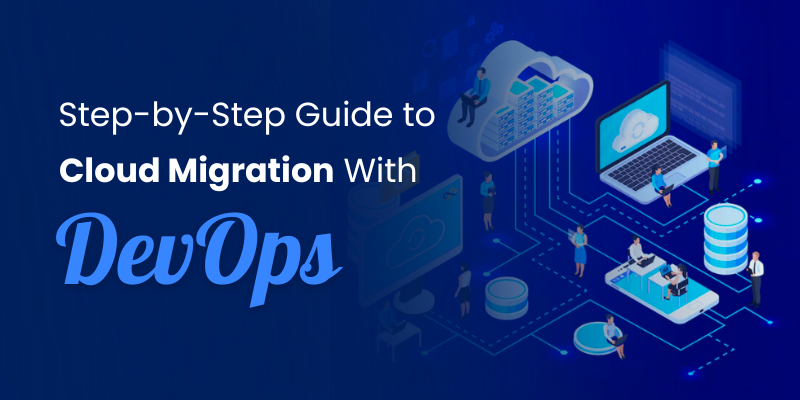
Cloud migration and application modernization have become essential for businesses that aim for greater agility, scalability, and cost savings.These strategies represent a significant change in the way organizations develop, deploy, and manage their applications.However, simply moving applications to the cloud or rewriting them without adjusting underlying processes can waste opportunities and increase complexity. Continue reading “Step-by-Step Guide to Cloud Migration With DevOps”