The 7 Core Elements of an Internal Developer Platform

Delve into the pivotal aspects of IDP and DevOps integration. Also, explore the fundamental components that constitute the bedrock of an Internal Developer Platform.

In the ever-accelerating world of software development, the need for agile and efficient workflows has never been more crucial. As organizations strive to stay ahead in this digital era, they are increasingly turning to Internal Developer Platforms (IDPs) as a key strategy to supercharge their development processes. 

Scaling with Internal Developer Platforms contributes to faster delivery, improved ROI, reduced time to market and improved business growth. An IDP is a comprehensive ecosystem of tools, services and best practices meticulously designed to empower developers, streamline workflows and expedite the delivery of software products.

In this blog, we embark on an exploration of the fundamental components that constitute the bedrock of an Internal Developer Platform – the seven core elements that drive innovation, collaboration and efficiency in the realm of software development. 

From self-service infrastructure to robust security measures, these elements are the building blocks of modern software development excellence. Join us on this journey as we delve into the pivotal aspects of IDP and DevOps integration. Discover how IDP and Microservices development is revolutionizing how software is created, delivered and maintained in the digital age.

Continue reading “The 7 Core Elements of an Internal Developer Platform”

The Role of an Internal DevSecOps Platform in the Digital Age

Explore the compelling reasons why businesses across industries are embracing Internal Developer Platform Solutions, here, in this blog!

Subscribe to continue reading

Subscribe to get access to the rest of this post and other subscriber-only content.

Unpacking Our Findings From Assessing Numerous Infrastructures – Part 2


When superior performance comes at a higher price tag, innovation makes it accessible. Quite evident from the way AWS has been evolving its services –

  •  gp3, the successor of gp2 volumes – Offers the same durability, supported volume size, max IOPS per volume, and max IOPS per instance. The main difference between gp2 and gp3 is gp3’s decoupling of IOPS, throughput, and volume size. This flexibility to configure each piece independently – is where the savings come in.
  • AWS Graviton3 processors – Offers 25% better computing, double the floating-point, and improved cryptographic performance compared to its predecessors. It’s 3x faster than Graviton 2 and supports DDR5 memory, providing 50% more bandwidth than DDR4 (Graviton 2). 

To be better at assessing your core infrastructure needs, knowing the AWS services is just half the battle. In my previous blog, I’ve discussed numerous areas where engineering teams often falter. Do give it a read! >>> Unpacking Our Findings From Assessing Numerous Infrastructures – Part 1

What we’ll be discussing here are –

  • Are your systems truly reliable?
  • How do you respond to a security incident?
  • How do you reduce defects, ease remediation, and improve flow into production? (Operational Excellence)

Continue reading “Unpacking Our Findings From Assessing Numerous Infrastructures – Part 2”

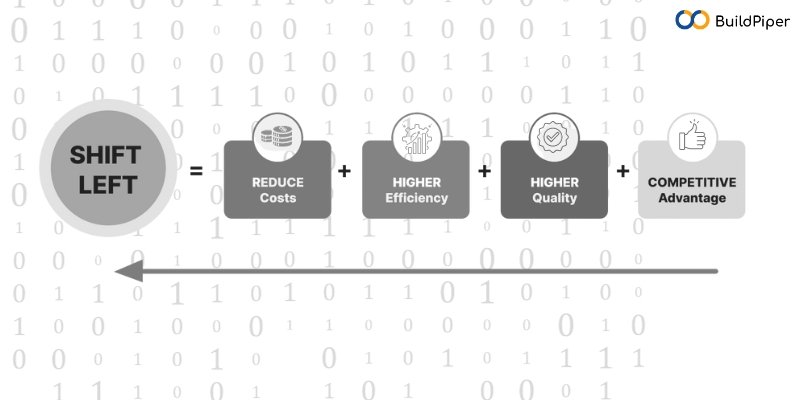
How to Adopt Shift Left Security on the Cloud?

Explore the principles, tools and best practices that empower you to fortify your cloud-based infrastructure & applications and dynamic pipelines safeguarding your digital assets.

In an era where cloud computing reigns supreme, the concept of security has undergone a profound transformation. As businesses rapidly migrate their operations and data to the cloud, the need to secure this digital frontier becomes increasingly paramount. Enter “Shift Left Security,” a paradigm shift in cybersecurity that places the emphasis on prevention and early detection rather than reaction. In this blog, we’ll delve into the essential strategies and practices that enable organizations to adopt Shift Left Security seamlessly in their cloud environments.

Continue reading “How to Adopt Shift Left Security on the Cloud?”

My learning in Migration of MySQL from 5.7 to 8.0

Introduction

In this blog, join me on a voyage through my personal experience my journey of Migrating MySQL from version 5.7 to 8.0. This voyage was motivated by the desire to harness the latest features, bolster security, and unlock the performance enhancements that MySQL 8.0 offers. As we navigate through the intricate migration process, I’ll share the valuable lessons learned, the hurdles encountered, and the strategies employed to overcome them.

Continue reading “My learning in Migration of MySQL from 5.7 to 8.0”